Rubber Plant (Ficus elastica) Overview
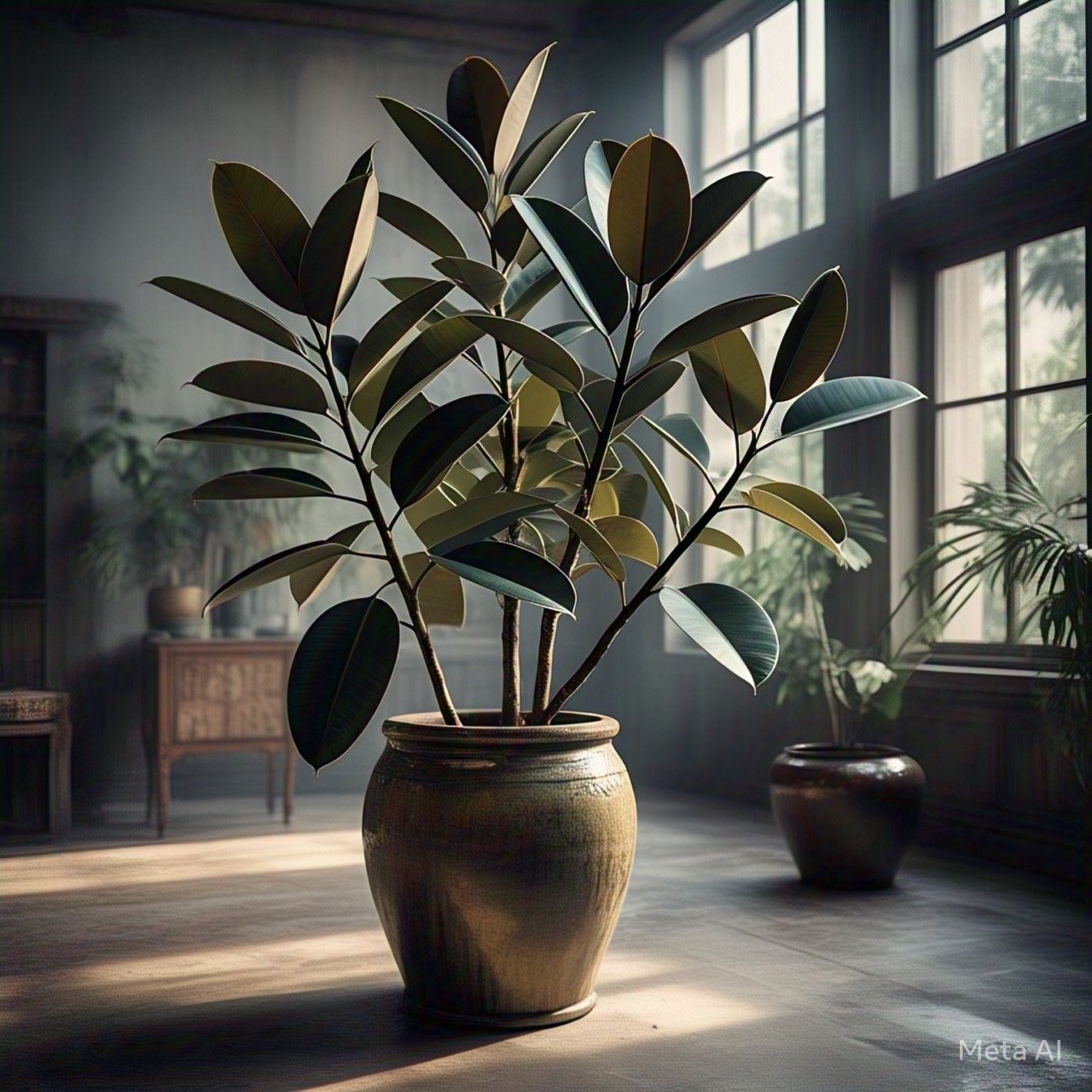
The Rubber Plant (Ficus elastica) is a popular, striking houseplant that is known for its large, glossy, dark green leaves and upright growth. Native to Southeast Asia, this plant is part of the Ficus genus and can grow into a tree in its natural environment. It’s also valued for its air-purifying properties and relatively easy maintenance, making it an excellent choice for both novice and experienced plant owners.
Light Requirements
- Light Level: The Rubber Plant prefers bright, indirect light. It can tolerate some direct sunlight, but prolonged exposure can scorch its leaves.
- Optimal Conditions: Ideally, place it near a window with filtered light, where it gets bright but not direct sunlight.
- Low Light Tolerance: While the plant can survive in lower light, its growth will slow down, and it might lose some of its vibrancy. Lack of sufficient light can lead to leggy growth and smaller leaves.
Watering and Moisture
- Watering Needs: The Rubber Plant has moderate watering needs. It prefers to be watered when the top 1-2 inches of soil are dry.
- Water it thoroughly, but make sure the pot has good drainage to prevent water from collecting at the bottom.
- Overwatering Risks: Avoid overwatering, as this can lead to root rot. Ensure that the plant does not sit in water.
- Humidity: Rubber plants prefer moderate to high humidity but can adapt to regular indoor humidity. If the air in your home is very dry, consider placing the plant on a humidity tray or occasionally misting its leaves.
Maintenance Level
- Maintenance: Rubber plants are considered moderately low-maintenance. They require some regular care but are generally easy to manage.
- Pruning: Prune any leggy growth or damaged leaves to maintain the plant’s shape.
- Cleaning: Clean the leaves regularly with a damp cloth to remove dust and keep the plant’s glossy appearance.
- Repotting: Repot every 1-2 years, or when the plant outgrows its current pot.
Temperature and Humidity
- Temperature: Rubber plants thrive in a temperature range of 60°F to 75°F (15°C to 24°C). They are sensitive to cold and should be kept away from drafts, windows that get cold at night, and air conditioners.
- Humidity: As mentioned earlier, they prefer moderate to high humidity. If the air in your home is very dry, you can increase humidity by placing a humidifier nearby or grouping your plants together to create a more humid microenvironment.
Soil Type and Potting
- Soil: The Rubber Plant thrives in a well-draining, loamy soil mix. A good potting mix for Ficus elastica can include peat, perlite, and pine bark. The soil should not retain too much water but should hold enough moisture to keep the plant healthy.
- Potting: Ensure that the pot has drainage holes to prevent water from collecting at the bottom, which can cause root rot.
- Repotting: Rubber plants should be repotted every couple of years or when the roots become crowded in the pot. Choose a pot that is 1-2 inches larger than the current one.
Aesthetic and Stylish Qualities
- Aesthetic Appeal: Rubber plants are known for their large, glossy, dark green leaves that can add a touch of elegance to any space. They can grow quite tall and become a statement plant in your home.
- Stylish Features: The plant’s shiny leaves and compact form make it ideal for modern, minimalist, and industrial interiors. It can serve as a dramatic focal point in living rooms, offices, or entryways.
- Some varieties, such as the Variegata, have white or cream-colored edges, adding to their visual appeal.
Air Purifying Qualities
- Air-Purifying: Rubber Plants are excellent at purifying indoor air. According to NASA’s Clean Air Study, they help remove harmful chemicals such as formaldehyde and benzene from the air.
- The large, broad leaves absorb toxins from the air, making them particularly beneficial in homes and offices where air quality may be a concern.
Vastu and Feng Shui Compatibility
- Vastu Compatibility: In Vastu Shastra, the Rubber Plant is believed to bring positive energy and wealth when placed in the Southeast or East direction. The plant is thought to attract prosperity and good fortune to the home.
- Feng Shui Compatibility: In Feng Shui, the Rubber Plant is considered to bring abundance, prosperity, and vitality to the space. It is often recommended to place the plant in the wealth area (Southeast) or the health area (East) of the home.
- Rubber plants are also associated with good luck and are said to help balance yin and yang energies.
Seasonal Considerations
- Spring and Summer: During the warmer months, the Rubber Plant grows more actively and may need more frequent watering. Increase humidity if necessary.
- Fall and Winter: In colder months, growth slows down. Reduce watering frequency, but ensure the plant is still receiving adequate light. Keep the plant away from heaters or drafts, which could dry it out.
Special Considerations
- Toxicity: Rubber plants are toxic to pets (cats and dogs). The plant contains latex and milky sap, which can cause irritation if ingested or if it comes into contact with the skin.
- Keep it out of reach of pets and children.
- Sap Sensitivity: When pruning, be careful of the plant’s sap, which can cause skin irritation or allergic reactions. Wear gloves if necessary.
Pet-Friendly Consideration
- Toxicity to Pets: Rubber Plants are not pet-friendly. They are toxic to both cats and dogs if consumed. The milky sap can cause nausea, vomiting, and drooling in pets, so it’s important to place the plant in a location that is inaccessible to animals.
Fertilization and Nutrition Requirements
- Fertilization: Rubber plants benefit from regular fertilization during their growing season (spring and summer).
- Use a balanced liquid fertilizer once a month during this period.
- Reduce or stop fertilizing in the fall and winter when the plant is dormant.
- Nutrient Requirements: The plant requires basic nutrients like nitrogen, phosphorus, and potassium. A well-balanced, water-soluble fertilizer should provide the necessary nutrients. Over-fertilizing can result in leaf burn, so always follow the recommended dosage.
Growth and Size
- Growth Rate: Rubber plants are moderately fast-growing. They can grow quite tall in the right conditions, reaching up to 6-10 feet (1.8-3 meters) indoors, though their growth rate is slower in lower light or less optimal conditions.
- Size: Rubber plants typically grow in an upright, bushy form with large, glossy leaves. They can be pruned to control their height and shape, or allowed to grow taller as a statement plant.
Common Problems and Troubleshooting
- Yellowing Leaves:
- Cause: Overwatering or too much direct sunlight.
- Solution: Ensure the plant is in bright, indirect light and that the soil drains well. Allow the soil to dry out between waterings.
- Brown Leaf Tips:
- Cause: Low humidity or underwatering.
- Solution: Increase humidity or water more frequently when the top 1-2 inches of soil are dry. Misting the leaves can also help.
- Leaf Drop:
- Cause: Environmental stress, such as sudden temperature changes or underwatering.
- Solution: Keep the plant in a stable environment with consistent temperature and humidity. Water regularly, but avoid overwatering.
- Pests: Rubber plants can sometimes be affected by pests like mealybugs, scale insects, and spider mites.
- Solution: Treat the plant with insecticidal soap or a mixture of water and dish soap to remove pests.
Plant Compatibility
- Companion Plants: Rubber plants are compatible with other tropical plants like snake plants, peace lilies, pothos, and ZZ plants. These plants thrive under similar care conditions and can be grouped together for a lush, green look.
- Avoid placing Rubber Plants next to plants that require a lot of water, as they prefer drier soil and are susceptible to root rot in overly wet conditions.
Conclusion
The Rubber Plant (Ficus elastica) is a beautiful and easy-to-care-for indoor plant, known for its glossy leaves, air-purifying qualities, and stylish appearance. While it requires moderate light, careful watering, and some regular maintenance, it is perfect for adding a touch of greenery and sophistication to any room. Its adaptability to varying conditions, as well as its air-purifying properties, makes it a great choice for homes and offices.