Philodendron Overview
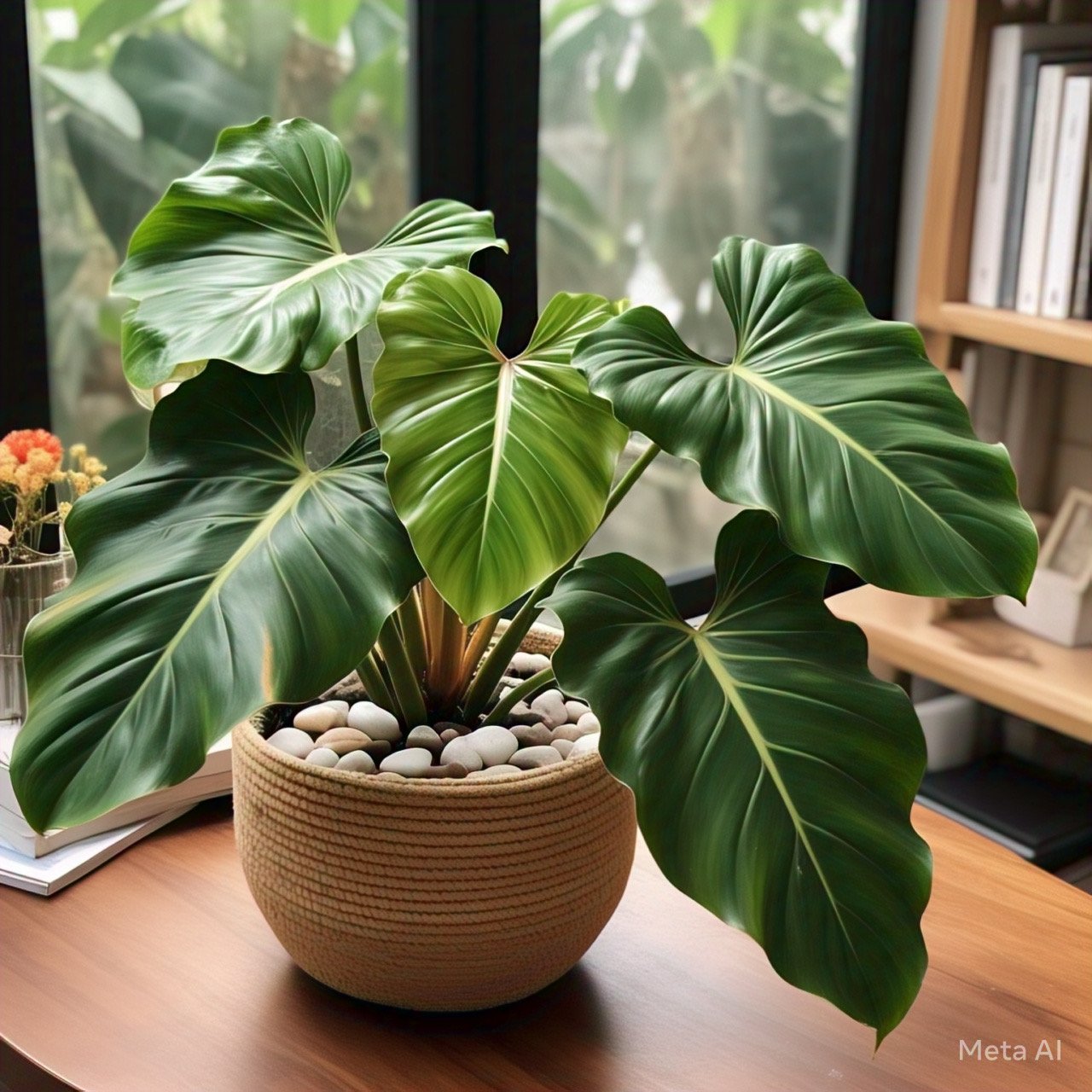
Philodendron is a large genus of flowering plants in the Araceae family, native to tropical America. Known for their glossy, heart-shaped leaves and easy-going nature, Philodendrons are popular houseplants. They are generally low-maintenance, adaptable, and come in many varieties, including vining and non-vining types, with some producing beautiful foliage with red, purple, or variegated patterns.
Light Requirements
- Ideal Light: Philodendrons thrive in bright, indirect light but can tolerate lower light conditions. In bright light, their growth will be more vigorous, while in lower light, growth may slow down, and the leaves may lose some of their vibrancy.
- Low Light Tolerance: Many Philodendron varieties are particularly tolerant of low light, which makes them suitable for areas with indirect or dappled sunlight. However, if the light is too low, the plant may become leggy, with sparse foliage.
- Avoid Direct Sunlight: Prolonged exposure to direct sunlight can scorch the leaves, causing them to turn yellow or brown.
- Placement Tip: Ideal locations include near a north- or east-facing window or in rooms with diffused sunlight.
Watering Requirements
- Watering Frequency: Philodendrons prefer to be watered when the top 1-2 inches of soil are dry. Overwatering can lead to root rot, so it’s essential not to let the soil stay soggy. During the growing season (spring and summer), they may need watering every 7-10 days. During fall and winter, watering frequency can be reduced.
- Watering Tip: It’s important to ensure the pot has proper drainage to allow excess water to escape. If the plant’s leaves begin to droop, it could be a sign of underwatering or overwatering.
- Signs of Overwatering: Yellowing leaves and root rot are the primary signs. If the plant’s roots are soggy and slimy, you may need to cut back on watering or check for drainage issues.
Maintenance Level
- Low to Moderate Maintenance: Philodendrons are generally low-maintenance plants. They are forgiving if you miss a watering session or expose them to less-than-ideal lighting conditions. Regular care includes occasional pruning, dusting off leaves, and checking for pests.
- Pruning: Philodendrons can grow quite large, especially vining varieties. Prune back any long or leggy vines to encourage bushier growth. For vining varieties, cutting back leggy growth will also keep the plant’s shape tidy.
- Leaf Care: Dust the leaves regularly to help the plant absorb more light and keep it looking clean and fresh.
Temperature and Humidity Requirements
- Temperature Range: Philodendrons prefer warm temperatures between 65°F and 80°F (18°C to 27°C). They should be kept away from cold drafts, air conditioners, and heaters, as they do not tolerate cold temperatures well. Avoid placing them in areas with temperatures below 50°F (10°C).
- Humidity Requirements: Being tropical plants, Philodendrons enjoy higher humidity levels, generally between 40%-60%. They tolerate average indoor humidity but will grow best in more humid environments, like bathrooms or kitchens.
- Humidity Tip: If your home is dry, especially during winter, consider using a humidifier or placing a shallow tray of water near the plant to increase moisture levels in the air.
Soil Type and Potting
- Soil Type: Well-draining, rich, and slightly acidic soil is ideal for Philodendrons. A general-purpose indoor potting mix with good aeration (such as one mixed with perlite or bark) will work well. Philodendrons also thrive in a mix designed for tropical plants.
- Potting Considerations: Always use a pot with drainage holes to prevent water from accumulating at the bottom, which can lead to root rot. Repot the plant every 1-2 years or when it outgrows its current container.
- Potting Tip: Choose a pot that is 1-2 inches larger in diameter than the current one to allow for healthy root growth.
Aesthetic/Style
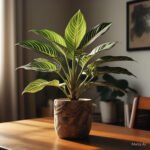
- Appearance: Philodendrons have heart-shaped, glossy leaves that come in various shades of green, red, or variegated patterns. Some varieties have large, striking leaves, while others are smaller and more compact.
- Aesthetic Appeal: Known for their lush, tropical appearance, Philodendrons are perfect for creating a relaxed, jungle-inspired aesthetic in homes and offices. Whether vining or non-vining, they add a beautiful and natural touch to any space. Vining varieties can be trained to grow up trellises or cascade from hanging baskets.
- Growth Habit: Vining types, like the Philodendron scandens or Philodendron brasil, can trail several feet and are ideal for hanging baskets or as cascading plants in larger spaces. Non-vining types like the Philodendron “Xanadu” or Philodendron “Red Emerald” are bushier and upright, adding a different texture to plant displays.
Air Purifying
Yes, Philodendron is considered an air-purifying plant. According to NASA’s Clean Air Study, Philodendrons are effective at removing toxins like formaldehyde, benzene, and trichloroethylene from the air. Like many houseplants, they help improve air quality by absorbing harmful chemicals and releasing oxygen.
Vastu or Feng Shui Compatibility
- Feng Shui: In Feng Shui, Philodendrons are considered excellent plants for promoting good chi (energy). They are said to enhance prosperity, wealth, and well-being when placed in the East or Southeast corners of a room or house. The plant’s round leaves also promote a sense of harmony and balance.
- Vastu: In Vastu Shastra, Philodendrons are generally considered good for positive energy and well-being. They are often recommended to be placed in living rooms or offices for promoting success and peace.
Seasonal Considerations
- Spring and Summer: During the growing season, Philodendrons grow actively and may need more frequent watering and occasional fertilizing. They also require brighter light conditions.
- Fall and Winter: During colder months, the plant’s growth slows down. Reduce watering frequency and stop fertilizing. The plant may also tolerate lower humidity, but it will still appreciate extra moisture in the air.
Special Considerations
- Toxicity to Pets: Like many plants in the Araceae family, Philodendrons are toxic to pets. If ingested, they can cause irritation in the mouth, excessive drooling, difficulty swallowing, and digestive upset. It’s important to keep Philodendrons out of reach of pets, especially dogs and cats.
- Repotting Tip: If you notice the plant becoming root-bound (roots growing out of the drainage holes), it’s time to repot it into a larger container to ensure continued healthy growth.
Fertilization and Nutrition Requirements
- Fertilization: Philodendrons are moderate feeders. During the growing season (spring and summer), feed your plant with a balanced, water-soluble fertilizer once a month. In fall and winter, reduce fertilizing as the plant is in a dormant state.
- Nutrient Needs: Ensure the plant has access to adequate nitrogen, phosphorus, and potassium, as well as micronutrients like calcium and magnesium. A well-balanced fertilizer will support strong leaf growth and vibrant foliage.
- Signs of Nutrient Deficiency: If the leaves turn yellow and the plant grows slowly, it may be lacking essential nutrients. Consider a fertilizer boost.
Growth and Size
- Growth Rate: Philodendrons are generally fast-growing plants. Vining varieties can grow up to several feet in a single year, while bushier varieties may reach a height of 3-4 feet or more.
- Size: Vining types like Philodendron scandens or Philodendron cordatum can grow 6-10 feet long or more if allowed to trail. Non-vining varieties can reach heights of 2-4 feet, depending on the variety and conditions.
Common Problems and Troubleshooting
- Yellowing Leaves: This can be a sign of overwatering, underwatering, or nutrient deficiencies. Ensure the soil is draining properly, and water the plant when the top layer of soil is dry. Yellowing can also occur if the plant is exposed to low light.
- Leggy Growth: If your Philodendron is growing long vines with sparse leaves, it may be an indicator of insufficient light. Move the plant to a brighter location with more indirect light.
- Brown Leaf Tips: Brown, crispy tips can result from dry air, overfertilizing, or inconsistent watering. Increase humidity and ensure the soil is moist but not waterlogged.
- Leaf Drop: If your plant is losing leaves, it may be due to stress, including overwatering, poor lighting, or pest infestations.
- Pests: Philodendrons can occasionally attract pests like spider mites, mealybugs, or aphids. Regularly inspect the leaves and stems for pests. If an infestation occurs, treat with insecticidal soap or neem oil.
Plant Compatibility
- Ideal Companions: Philodendrons pair well with other houseplants that enjoy similar growing conditions, such as:
- Pothos (Epipremnum aureum): Both plants are low-maintenance and thrive in similar light and water conditions.
- Spider Plants (Chlorophytum comosum): Both plants tolerate lower light and can handle occasional neglect.
- ZZ Plant (Zamioculcas zamiifolia): Another easy-care plant that will complement the Philodendron’s lush, tropical appearance.
- Avoid: Avoid pairing Philodendrons with plants that require very different care, such as cacti or succulents, as their needs for water and light differ greatly.
Pet-Friendly Status
No, Philodendron is not pet-friendly. It is toxic to pets, including dogs, cats, and small animals like rabbits. The plant contains calcium oxalates, which can cause irritation to the mouth, throat, and digestive system if ingested. Symptoms of poisoning include drooling, vomiting, difficulty swallowing, and in severe cases, it can lead to more serious health issues.
If you have pets that tend to chew on plants, it is important to keep Philodendron out of their reach. Consider placing it in hanging baskets, on high shelves, or in rooms where pets do not have access.
If you suspect your pet has ingested any part of a Philodendron plant, contact your veterinarian immediately for advice.
Conclusion
Philodendron is an attractive, low-maintenance plant perfect for both beginners and experienced plant lovers. It thrives in a range of light conditions, requires only moderate watering, and is adaptable to various indoor environments. Its beautiful, glossy leaves and trailing or bushy growth habits make it a versatile addition to any space.
While it is toxic to pets, it is an excellent air purifier and Feng Shui-friendly, making it an ideal choice for improving both the aesthetic and air quality of your home. With proper care, your Philodendron can thrive for many years, adding lush greenery and a touch of tropical beauty to your indoor spaces.