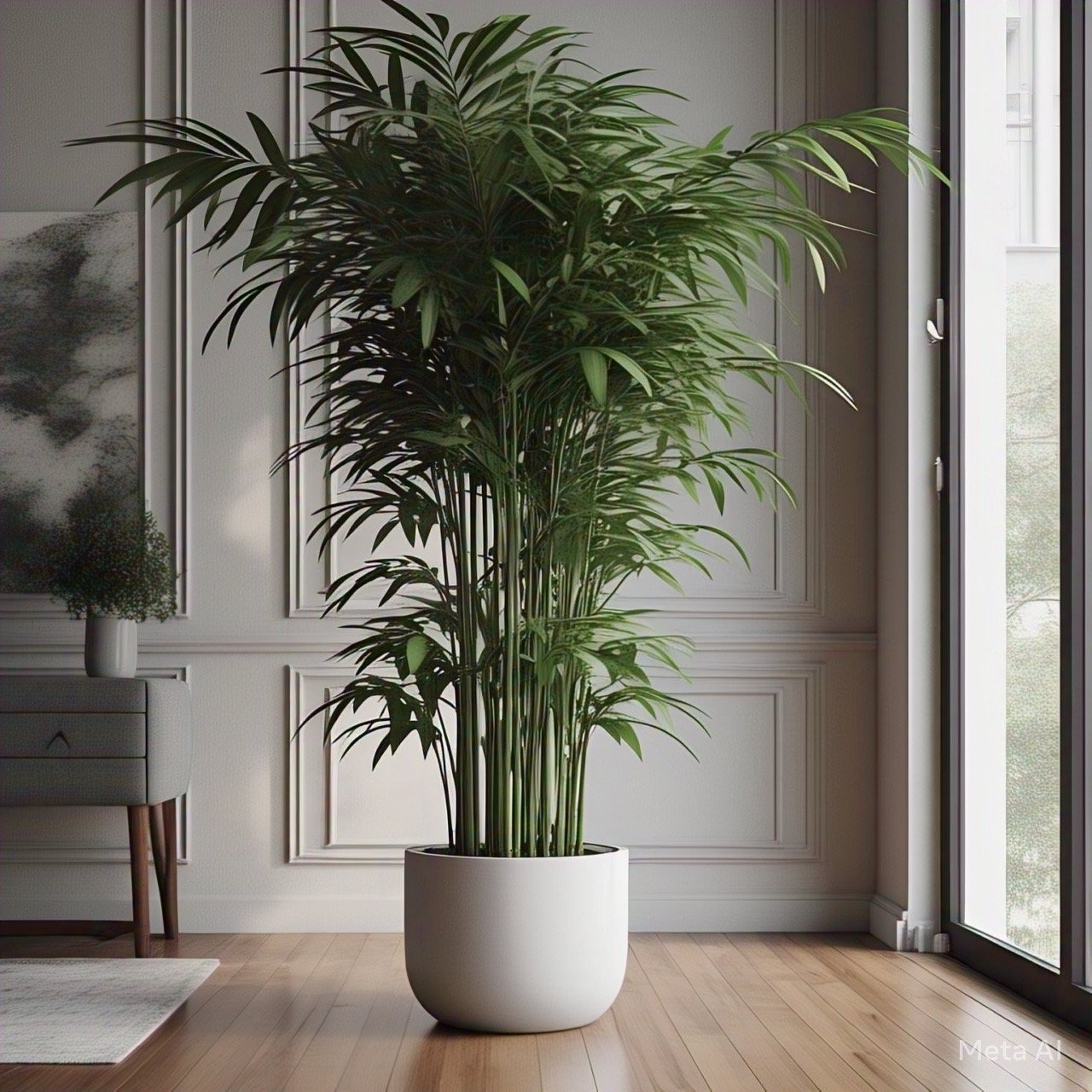
1. Light Requirements
- Ideal: Bright, indirect light; tolerates low light but grows slower.
- Avoid: Direct sunlight, which can scorch the leaves.
- Indoor: Thrives near north/east-facing windows or filtered light through curtains.
2. Watering Needs
- Frequency: Water when the top 1–2 inches of soil are dry. Generally, once a week in summer, every 10–14 days in winter.
- Humidity: Likes moderate humidity; misting helps in dry environments.
- Tip: Use distilled or rainwater to prevent salt buildup.
3. Maintenance Level
- Low to Medium: Easy-care; just needs regular watering and occasional pruning of dead fronds.
- Repotting: Every 2–3 years or when root-bound.
4. Temperature & Humidity
- Temperature Range: 65–80°F (18–27°C). Sensitive to cold; avoid below 50°F (10°C).
- Humidity: Prefers 50%+ humidity; use a humidifier or pebble tray in dry rooms.
5. Soil Type & Potting
- Soil: Well-draining potting mix rich in organic matter. Mix: 2 parts peat, 1 part perlite/sand.
- Potting: Pot with drainage holes to avoid root rot.
6. Aesthetic Appeal
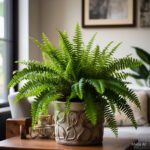
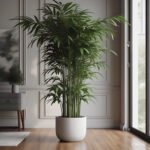
- Stylish: Graceful, arching fronds and slender bamboo-like stems create a tropical, elegant look.
- Perfect for corners, living rooms, offices, or spa-like interiors. Adds a relaxing, zen vibe.
7. Air Purification
- Excellent air purifier: Listed in NASA Clean Air Study; removes toxins like formaldehyde, benzene, and carbon monoxide.
- Improves indoor air quality and adds oxygen.
8. Vastu / Feng Shui Compatibility
- Vastu: Brings prosperity and peace; place in north or east-facing areas.
- Feng Shui: Considered a wealth and luck attractor; best placed in wealth corners or entryways.
- Symbolizes growth, vitality, and harmony.
9. Seasonal Considerations
- Spring/Summer: Active growth; regular watering and fertilization.
- Fall/Winter: Slower growth; reduce watering and no fertilizing.
10. Special Considerations
- Dust Leaves: Wipe occasionally to help photosynthesis.
- Sensitive Roots: Avoid over-handling or frequent repotting.
11. Pet Friendliness
- Yes – Pet Safe: Non-toxic to cats and dogs (ASPCA certified).
- Safe for homes with pets and children.
12. Fertilization & Nutrition
- Fertilizer: Balanced liquid fertilizer (e.g., 10-10-10) diluted to half strength.
- Frequency: Every 4–6 weeks in growing season; skip in winter.
13. Growth & Size
- Height: Can grow up to 6–12 feet indoors with proper care.
- Growth Rate: Moderate; faster in bright, humid conditions.
- Spread: 3–5 feet wide; grows upright in clumps.
14. Common Problems & Troubleshooting
| Issue | Cause | Solution |
|---|---|---|
| Yellowing leaves | Overwatering / poor drainage | Let soil dry; check pot drainage |
| Brown leaf tips | Low humidity or fluoride in water | Increase humidity; use distilled water |
| Drooping fronds | Underwatering / cold drafts | Water properly; move to warmer location |
| Spider mites / pests | Dry air / weak plant health | Mist leaves; use neem oil or insecticidal soap |
15. Plant Compatibility
- Compatible with other tropical, shade-loving plants like:
- Peace Lily
- Snake Plant
- ZZ Plant
- Pothos
- Avoid placing near high-sun succulents/cacti with different care needs.