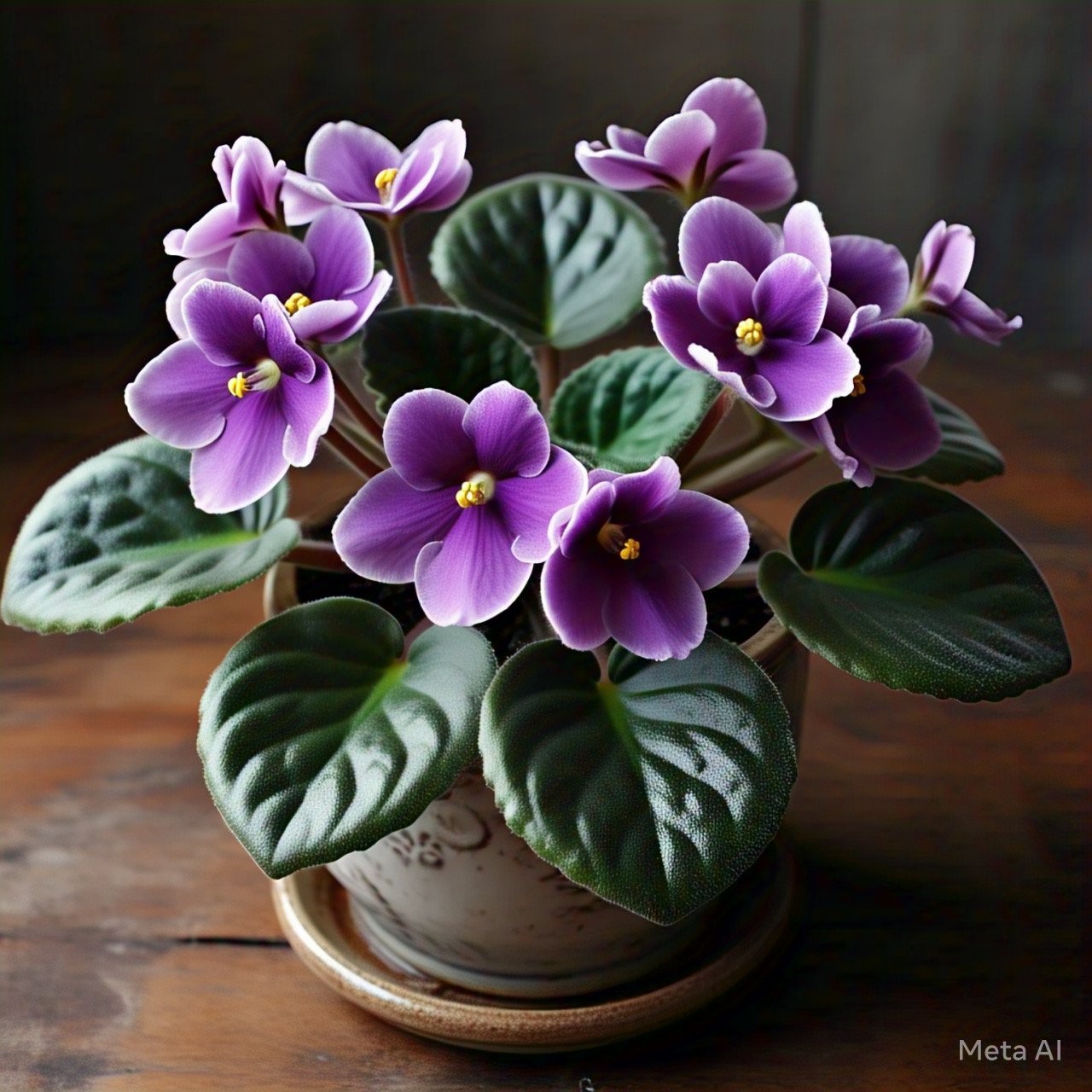
African Violet (Saintpaulia) – A Complete Care Guide
The African Violet is a popular indoor plant known for its vibrant, colorful flowers and its ability to thrive in indoor environments. It’s perfect for those who want a touch of brightness in their homes, with its low-growing habit and beautiful blooms that come in various shades like purple, pink, blue, and white. Let’s dive into the detailed care requirements, characteristics, and features of the African Violet to help you provide the best care possible.
Light Requirement
- Light: African Violets require bright, indirect light to flourish. They do not like direct sunlight, as it can scorch their leaves and flowers. A location near a north or east-facing window is ideal. If direct sunlight is unavoidable, consider using sheer curtains to diffuse the light.
- Low Light: While they can tolerate low light, their growth may be slower, and they may not bloom as frequently.
Watering Requirement
- Water: African Violets prefer slightly moist soil but should never sit in water. They need consistent moisture, but overwatering can lead to root rot. It’s best to water them from the bottom by placing the pot in a shallow dish of water for 10-15 minutes, allowing the roots to absorb moisture.
- Water Quality: Use room-temperature water, ideally distilled or non-chlorinated, as tap water with chemicals may harm the plant over time.
- Frequency: Water when the top of the soil feels dry, usually every 5-7 days depending on environmental conditions.
Maintenance Level
- Low to Moderate Maintenance: African Violets are relatively easy to care for, though they require consistent watering and regular feeding to maintain vibrant growth. They benefit from regular grooming, such as removing dead or faded flowers and leaves to encourage new growth and blooms.
Temperature and Humidity
- Temperature: African Violets prefer a temperature range of 65°F to 75°F (18°C to 24°C). They do not tolerate temperatures below 50°F (10°C), and sudden temperature fluctuations can cause stress.
- Humidity: They thrive in moderate to high humidity levels. If the air in your home is dry, especially during the winter, consider placing a humidifier nearby or placing the plant on a humidity tray filled with pebbles and water to increase moisture in the air around the plant.
Soil Type and Potting
- Soil: Well-draining, light soil is essential for African Violets. A good potting mix will be slightly acidic (pH 5.5 to 6.5) and free-draining, allowing excess water to escape. A standard African Violet potting mix or a homemade mix of peat moss, perlite, and vermiculite works well.
- Potting: African Violets prefer small pots. Ensure that the pot has drainage holes to prevent water from accumulating at the bottom. Repot the plant every 1-2 years to refresh the soil and give it more space to grow.
Aesthetic/Stylistic Features
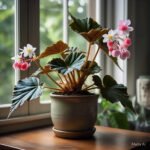
- Appearance: African Violets are beloved for their striking flowers and velvety green foliage. Their compact growth habit makes them perfect for tabletops, windowsills, or any space in need of a pop of color.
- Flower Colors: They come in a variety of colors, including purple, blue, white, and pink, and some varieties even feature multicolored blooms or patterned petals. This diversity allows you to match them with any decor.
Air Purifying
- While African Violets are not classified as major air purifiers like some other plants (such as the Snake Plant or Peace Lily), their lush foliage can still contribute to a fresher indoor environment by helping to increase humidity levels and providing some oxygenation.
Vastu and Feng Shui Compatibility
- Vastu: African Violets are considered beneficial in Vastu for creating positive energy, especially in the southeast or east part of the room. Their vibrant flowers can help bring harmony and peace into your home.
- Feng Shui: In Feng Shui, African Violets are believed to promote balance, prosperity, and joy. They can be placed in the wealth area (southeast) or the fame area (south) to enhance positive energy.
Seasonal Considerations
- Winter Care: During colder months, African Violets may experience slower growth or fewer blooms. Ensure they are kept in a warm, well-lit spot and avoid placing them near drafty windows or doors.
- Flowering: African Violets can bloom year-round, but they tend to produce more flowers during the warmer months, especially if they receive the right amount of light, water, and nutrition.
Special Considerations
- Avoid Overwatering: African Violets are susceptible to root rot if kept too wet. Be cautious with watering, ensuring the soil is moist but not soggy.
- Fertilization: These plants benefit from regular feeding, especially during the growing season. Use a balanced, water-soluble fertilizer specifically designed for African Violets or houseplants, and apply it every 4-6 weeks. Avoid over-fertilizing, as it can harm the plant.
- Leaf Care: Be sure to water the plant at the base and avoid getting water on the leaves, as this can cause spots and rot. If the leaves become dusty, clean them gently with a damp cloth.
Pet-Friendly
- Toxicity: African Violets are non-toxic to pets, including cats and dogs, making them a safe choice for pet-friendly households.
Fertilization and Nutrition Requirements
- Fertilization: During the growing season (spring and summer), feed the African Violet every 4-6 weeks with a balanced, water-soluble fertilizer. Reduce fertilizing in the fall and winter months when the plant is in its dormant phase.
- Type of Fertilizer: A fertilizer high in potassium and phosphorus, but low in nitrogen, is ideal to promote healthy blooms. Use an African Violet-specific fertilizer or dilute a standard houseplant fertilizer to half strength.
Growth and Size
- Size: African Violets typically grow between 6 to 12 inches tall and spread about 8 to 12 inches wide, depending on the variety. They have a compact, bushy growth habit, making them suitable for smaller spaces.
- Growth Rate: African Violets grow moderately quickly when given optimal conditions and can bloom within 6-9 months of being planted from a seedling.
Common Problems and Troubleshooting
- Yellow Leaves: Yellowing leaves can be a sign of overwatering, poor drainage, or nutrient deficiencies. Ensure the plant is not sitting in water and adjust the watering schedule.
- Leggy Growth: If the plant is growing tall and sparse, it may not be getting enough light. Move it to a brighter location with indirect sunlight.
- No Flowers: A common issue with African Violets is the lack of flowers. This can happen if they are not receiving enough light, if the temperature is too low, or if they are overfed with nitrogen-rich fertilizer. Ensure they have plenty of bright, indirect light and are fed with a balanced fertilizer.
- Brown Leaf Edges: Brown tips on leaves can indicate dry air, over-fertilization, or inconsistent watering. Increase humidity and adjust your watering practices to avoid this issue.
Plant Compatibility
- Companion Plants: African Violets can be grown alongside other houseplants that thrive in similar conditions, such as other small flowering plants like Begonias, Gloxinia, or Coleus. They can also be paired with greenery like Ferns or Spider Plants to create a lush indoor garden.
With the right care, African Violets can be a colorful and rewarding addition to any indoor space. Their beautiful, long-lasting blooms and manageable size make them a perfect plant for homes, offices, and even as a gift. Keep their needs in mind, and they will continue to bring charm and vibrancy to your environment!