1. Light Requirements
- Ideal: Bright, indirect light; prefers filtered sunlight.
- Variety-based:
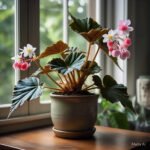
- Rex Begonias: Tolerate medium light; avoid direct sun.
- Tuberous Begonias: Need brighter light (no direct afternoon sun).
- Avoid: Direct sunlight (burns leaves); very low light causes leggy growth.
2. Watering Needs
- Watering Frequency:
- Water when the top 1 inch of soil is dry.
- Typically once a week; adjust for humidity/temperature.
- Humidity: Loves high humidity (50–60%).
- Tip: Water at the base – avoid wetting leaves to prevent mildew. Use a humidity tray or humidifier in dry environments.
3. Maintenance Level
- Moderate: Requires some care for watering accuracy and humidity control.
- Grooming: Remove dead or yellowing leaves; pinch stems to encourage bushiness.
4. Temperature & Humidity
- Temperature: Thrives at 65–75°F (18–24°C).
- Cold Sensitive: Avoid temps below 55°F (13°C).
- Humidity: Prefers high humidity; misting is helpful but avoid soggy leaves.
5. Soil Type & Potting
- Soil: Light, well-draining mix – ideal blend: peat moss, perlite, and compost.
- Potting: Use shallow pots with drainage holes; begonias have shallow root systems.
6. Aesthetic Appeal
- Stylish & Decorative:
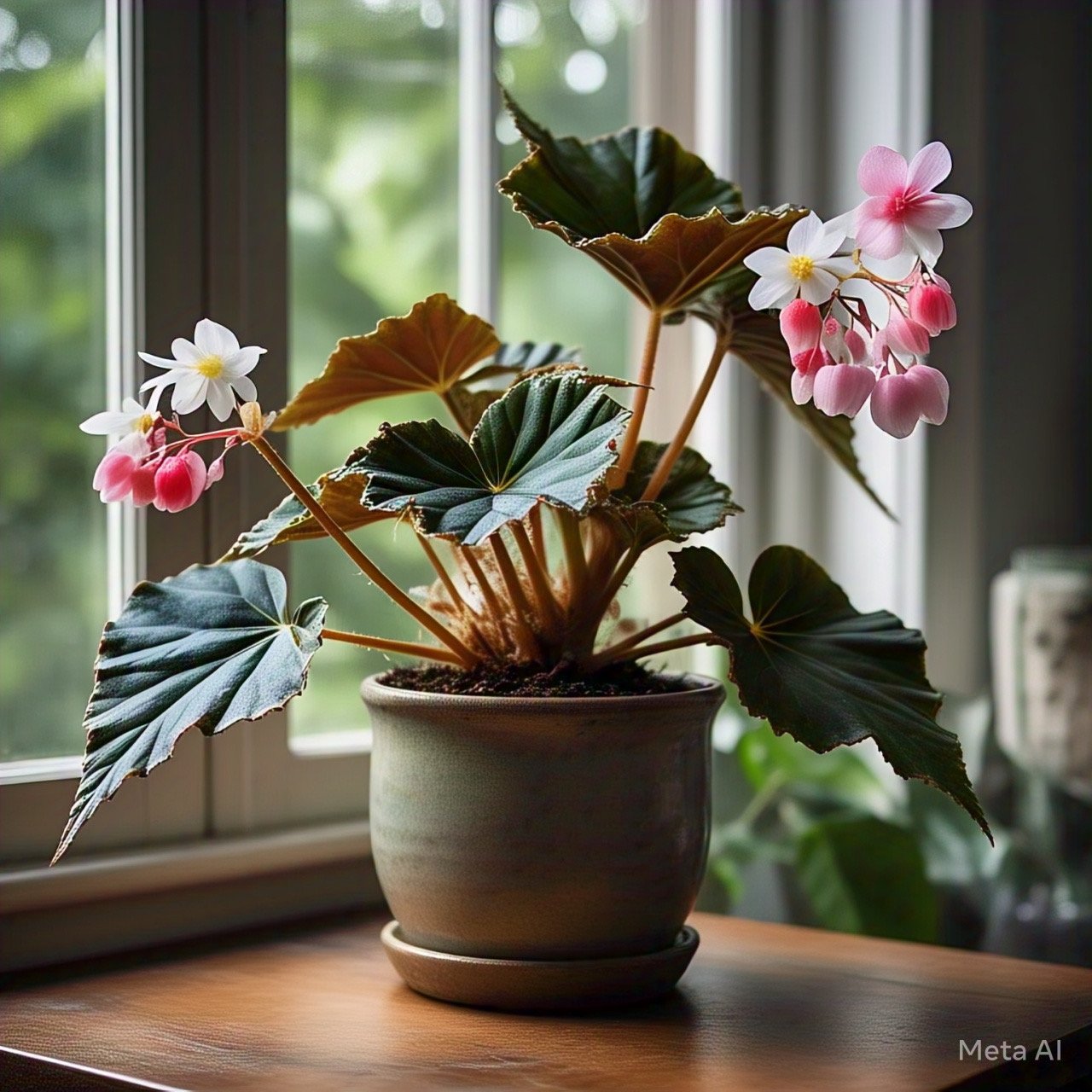
- Stunning foliage (variegated, colorful) or vibrant flowers depending on variety.
- Suitable for indoor décor, tabletops, patios, and hanging baskets.
- Colors: Leaves may be green, red, silver, pink, or patterned; flowers come in white, red, pink, yellow, or orange.
7. Air Purification
- Moderate air purifier: Absorbs some airborne toxins and increases indoor humidity.
- Enhances indoor air freshness.
8. Vastu / Feng Shui Compatibility
- Vastu: Symbolizes love, harmony, and creativity; ideal for living rooms, northeast corners.
- Feng Shui: Attracts romantic energy and positive chi; place in relationship or creativity sectors.
9. Seasonal Considerations
- Spring/Summer: Active growing/blooming; needs regular watering and feeding.
- Fall/Winter:
- Tuberous Begonias: Go dormant – reduce watering, stop feeding.
- Other types: Continue care, reduce water slightly.
10. Special Considerations
- Sensitive to overwatering: Root rot is a common issue.
- Avoid cold drafts and sudden temperature changes.
- Rotate regularly to promote even growth.
11. Pet Friendliness
- No – Toxic to Pets: Contains calcium oxalates; ingestion can cause irritation, vomiting.
- Keep away from cats, dogs, and small children.
12. Fertilization & Nutrition
- Fertilizer: Use a balanced liquid fertilizer (e.g., 10-10-10), diluted.
- Frequency: Feed every 2–4 weeks during spring/summer; none during dormancy.
13. Growth & Size
- Height: Varies by type:
- Rex Begonia: 6–12 inches tall.
- Tuberous Begonia: Up to 18 inches.
- Spread: Typically 12–24 inches wide.
- Growth Rate: Moderate; faster in optimal conditions.
14. Common Problems & Troubleshooting
| Issue | Cause | Solution |
|---|---|---|
| Leaf drop | Overwatering or cold shock | Adjust watering; maintain stable temperature |
| Powdery mildew | High humidity / poor air circulation | Increase air flow; use fungicide |
| Yellowing leaves | Overwatering / nutrient deficiency | Check soil moisture; fertilize appropriately |
| Pests (aphids, mealybugs) | Weak plant / poor hygiene | Use neem oil or insecticidal soap |
15. Plant Compatibility
- Compatible With:
- Calatheas
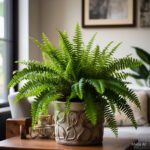
- Ferns
- Peace Lily
- Fittonia
- Prefers other humidity-loving plants; avoid pairing with succulents or cacti.