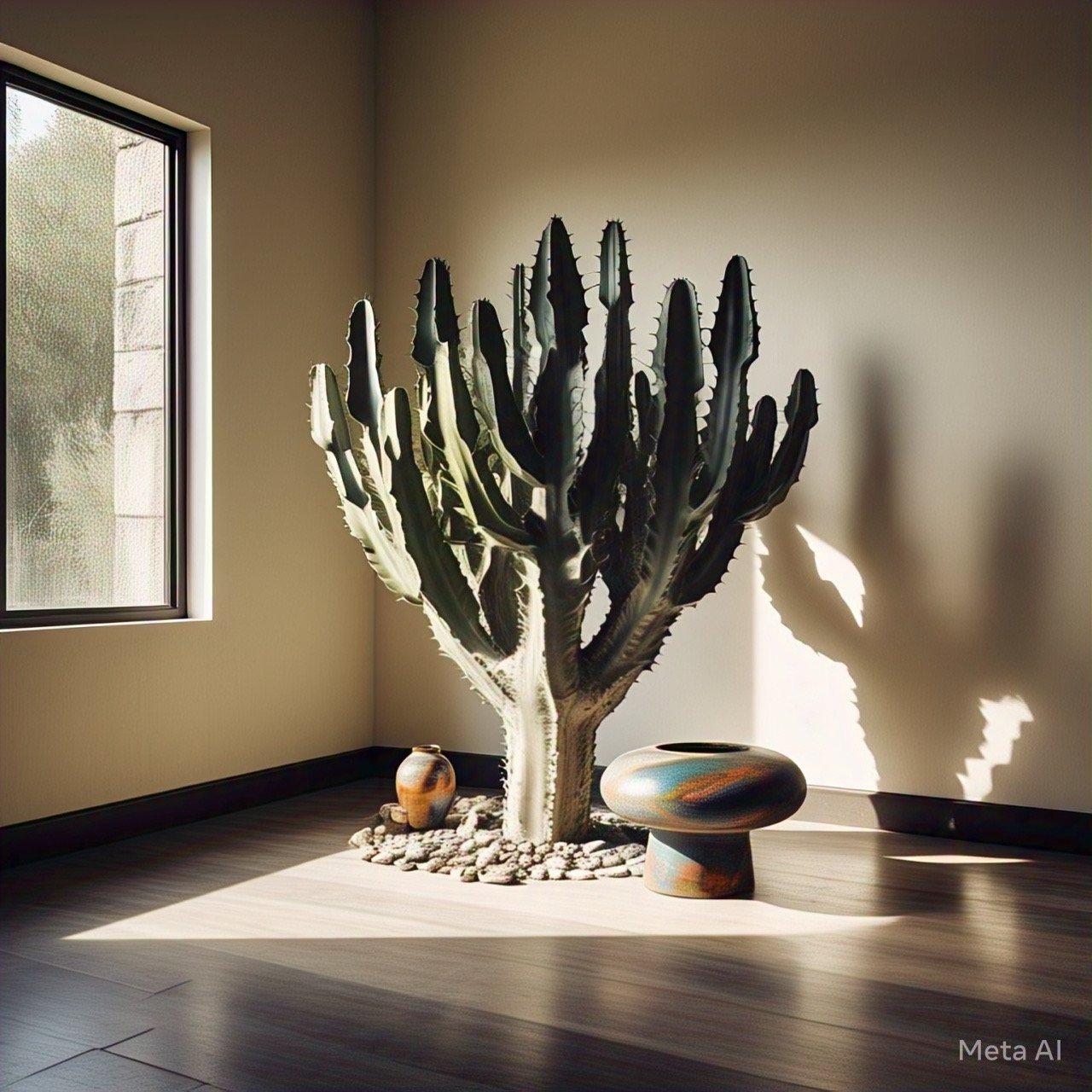
1. Light Requirements
- Ideal: Bright direct sunlight, at least 4–6 hours per day.
- Indoor: Place near south or west-facing windows; supplemental grow lights can help in low-light areas.
- Outdoor: Thrives in full sun; some varieties tolerate partial shade.
2. Watering Needs
- Rule: “Soak and dry” method – water deeply, then let soil completely dry out.
- Frequency:
- Spring/Summer: Every 2–3 weeks.
- Winter: Once a month or less (dormant period).
- Warning: Extremely drought-tolerant; overwatering leads to root rot.
3. Maintenance Level
- Very low-maintenance: One of the easiest plants to care for.
- Occasional repotting every 2–3 years; minimal pruning needed.
4. Temperature & Humidity
- Ideal Temp: 65–85°F (18–29°C); tolerates higher heat.
- Minimum: Some varieties down to 40°F (4°C); avoid frost.
- Humidity: Prefers low humidity; thrives in arid environments.
5. Soil Type & Potting
- Soil: Fast-draining cactus/succulent mix. DIY: 2 parts sand, 1 part potting soil, 1 part perlite/pumice.
- Potting: Pots must have drainage holes. Clay or terracotta pots are preferred to prevent excess moisture.
6. Aesthetic Appeal
- Stylish: Comes in varied shapes, sizes, and textures – spiky, columnar, round, or clustered. Popular in minimalist, boho, and desert-themed decor.
- Great for desktops, shelves, and windowsills. Adds a sculptural, artistic look to interiors.
7. Air Purification
- Mild effect: Some cacti contribute to indoor air quality, but less effective than larger leafy plants.
8. Vastu / Feng Shui Compatibility
- Vastu: Traditionally, cacti are avoided indoors due to their thorns, said to cause discord.
- Modern Vastu: Some believe they absorb negative energy and bring protection.
- Feng Shui: Can repel negative energy if placed near entryways or windows; avoid placing in bedroom or main living area.
9. Seasonal Considerations
- Active Growth: Spring and summer – ideal for watering, fertilization, and repotting.
- Dormancy: Winter – reduce watering; withhold fertilizer.
10. Special Considerations
- Spines/Thorns: Handle with care; use gloves or tongs.
- Flowering: Some varieties bloom annually under optimal care (e.g., Easter Cactus, Christmas Cactus, Rebutia).
- Propagation: Via cuttings, offsets, or seeds.
11. Pet Friendliness
- Caution: Most cacti are non-toxic, but spines can harm pets. Keep out of reach.
- Pet-safe options: Consider Christmas Cactus (Schlumbergera) – non-toxic and spineless.
12. Fertilization & Nutrition
- Fertilizer: Use a low-nitrogen cactus fertilizer (e.g., 5-10-10) diluted to half strength.
- Frequency: Once a month during active growth; avoid fertilizing in winter.
13. Growth & Size
- Size: Varies widely – from 2-inch miniatures to tall 6+ feet columnar types.
- Growth Rate: Slow to moderate; varies by species.
- Longevity: Can live for decades with proper care.
14. Common Problems & Troubleshooting
| Issue | Cause | Solution |
|---|---|---|
| Soft, mushy base | Overwatering/root rot | Cut off rot; repot in dry, fresh soil |
| Wrinkled/shrinking skin | Underwatering | Water deeply; allow full absorption |
| Pale/discolored skin | Sunburn or insufficient light | Move to optimal light; avoid sudden changes |
| Pests (mealybugs) | Sap-sucking insects | Neem oil, rubbing alcohol, insecticidal soap |
15. Plant Compatibility
- Compatible With:
- Succulents (Echeveria, Aloe, Haworthia)
- Snake Plant, ZZ Plant (similar water/light needs)
- Avoid pairing with: High-water plants (Ferns, Peace Lily).