Dracaena Overview
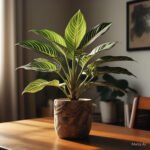
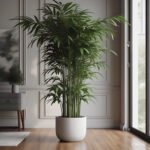
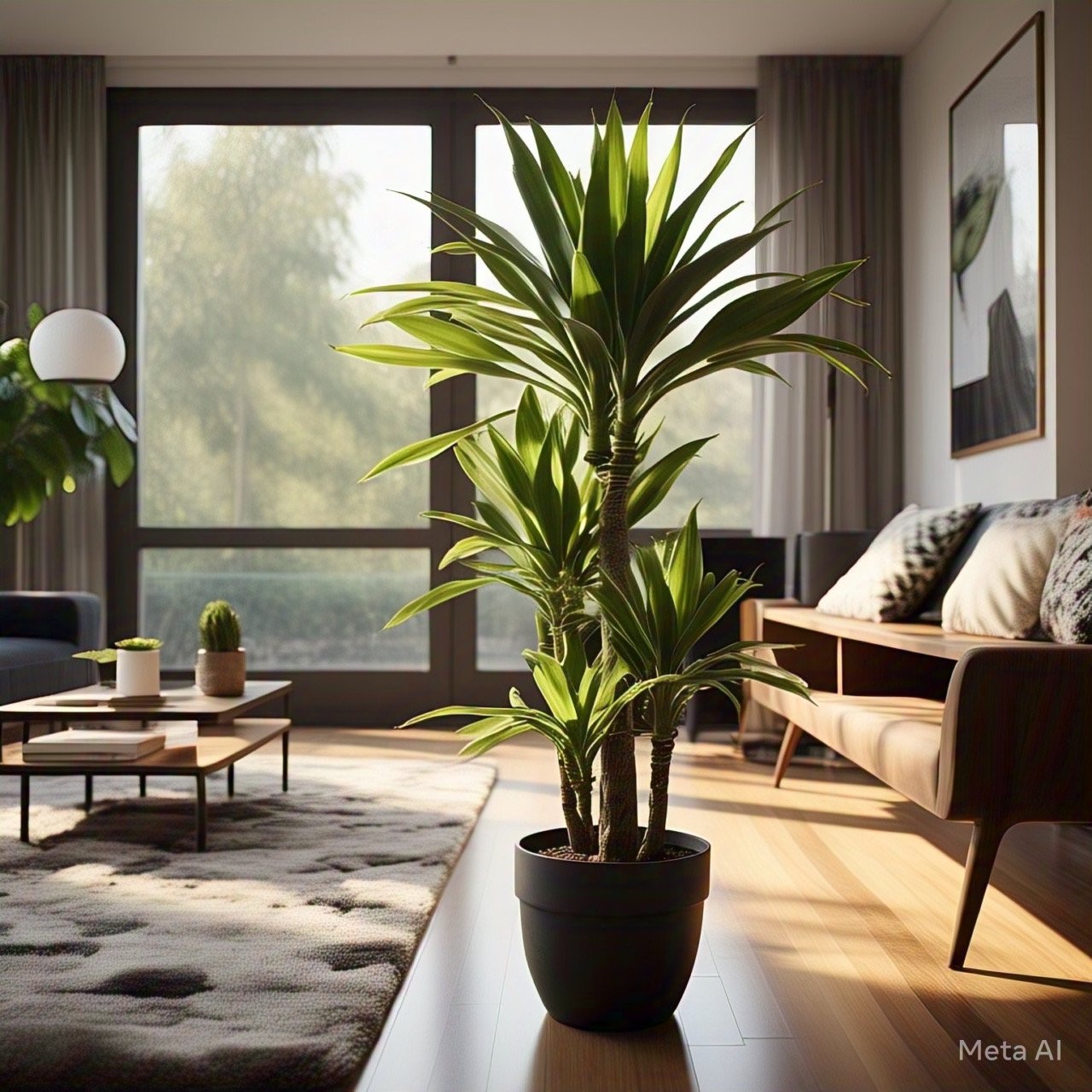
The Dracaena is a genus of plants that includes a variety of species, many of which are popular as houseplants due to their beautiful foliage and relatively easy care. They are native to tropical and subtropical regions of Africa, Asia, and Central America. Dracaenas come in a variety of forms, from small, compact plants to tall trees. Their striking, long, narrow leaves can be green, striped, or variegated with different hues of white, yellow, or red, making them a stylish addition to any home or office.
Light Requirements
- Light Level: Dracaenas prefer bright, indirect light. They can tolerate low light conditions but will grow more slowly and may lose some of their color, especially the variegated varieties.
- Optimal Conditions: A spot near a window with filtered sunlight is ideal. Too much direct sunlight can lead to leaf burn and brown tips, especially for more delicate varieties.
- Tolerance to Low Light: Some Dracaena varieties, such as Dracaena marginata (Dragon Tree), can tolerate lower light conditions, but their growth will be slower, and they may have fewer leaves.
Watering and Moisture
- Watering Needs: Dracaenas prefer to be watered when the top 1-2 inches of soil are dry. Overwatering can lead to root rot, so it’s important to let the soil dry out between waterings.
- Water thoroughly until the excess water drains from the bottom of the pot. Make sure the pot has drainage holes.
- Avoid Overwatering: Dracaenas are relatively drought-tolerant, so it’s better to underwater than overwater. The plant can survive a few dry periods, but consistently wet soil is harmful.
- Humidity: Dracaenas prefer moderate humidity levels but can adapt to average indoor humidity. In drier environments, especially during winter, the plant may benefit from occasional misting or placing it on a humidity tray.
Maintenance Level
- Maintenance: Dracaenas are relatively low-maintenance plants. They don’t require frequent pruning, but you may want to remove dead or yellowing leaves to keep the plant looking tidy.
- Cleaning: Wipe the leaves with a damp cloth to remove dust and help them retain their glossy appearance.
- Repotting: Dracaenas should be repotted every 2-3 years or when the roots outgrow their pot. Choose a pot 1-2 inches larger in diameter than the current one.
Temperature and Humidity
- Temperature: Dracaenas thrive in warm environments with temperatures between 65°F to 75°F (18°C to 24°C). They do not tolerate cold well, so temperatures below 50°F (10°C) can damage the plant.
- Keep them away from drafts or air conditioning units that may cause sudden temperature fluctuations.
- Humidity: Dracaenas generally do well in average humidity but prefer slightly higher humidity levels. If the air is too dry, especially in winter, they may develop brown leaf tips. Increase humidity by placing the plant on a humidity tray, grouping it with other plants, or using a humidifier.
Soil Type and Potting
- Soil: Dracaenas prefer a well-draining, loamy soil mix. A potting mix designed for houseplants works well, but it should include ingredients like perlite or sand to improve drainage.
- A mix designed for tropical plants is ideal for Dracaenas.
- Potting: Ensure the pot has drainage holes to prevent water from accumulating at the bottom, which can lead to root rot. If the plant is top-heavy, you may want to use a heavier pot to keep it stable.
- Repotting should be done when the roots outgrow the pot or when the plant seems to be growing too large for its space.
Aesthetic and Stylish Qualities
- Aesthetic Appeal: Dracaenas are highly decorative, with long, glossy leaves in shades of green, red, yellow, or white. Their tall, elegant form makes them a stylish choice for contemporary or tropical-themed interiors.
- Varieties: Some popular varieties include:
- Dracaena marginata (Dragon Tree) – Known for its thin, spiky leaves with red edges.
- Dracaena fragrans (Corn Plant) – Large, glossy green leaves that resemble corn stalks.
- Dracaena reflexa (Song of India) – Beautiful variegated leaves with yellow or white stripes.
Their sleek appearance and upright growth make them ideal for modern spaces, offices, or as a statement plant in living rooms.
Air Purifying Qualities
- Air Purifying: Dracaenas are excellent air purifiers. Like many other houseplants, they help remove harmful toxins from the air, including formaldehyde, benzene, and trichloroethylene.
- These plants absorb these chemicals through their leaves and roots, improving the indoor air quality and creating a healthier living environment.
In addition to their aesthetic beauty, Dracaenas make a great addition to any space concerned with air quality.
Vastu and Feng Shui Compatibility
- Vastu Compatibility: According to Vastu Shastra, Dracaenas are considered auspicious and bring positive energy into a home. They are particularly good for the East or South-East corners of a room, promoting health and prosperity.
- Feng Shui Compatibility: In Feng Shui, Dracaenas are believed to enhance wealth, vitality, and growth. The plant is often recommended to be placed in the wealth (Southeast) or health (East) areas of a home or office to bring good fortune and energy.
- The upright growth and lush foliage of the Dracaena are said to symbolize vitality and support positive chi.
Seasonal Considerations
- Spring and Summer: Dracaenas grow actively during the warmer months. Ensure they receive bright, indirect light, and increase watering when the soil starts to dry out. They also benefit from regular fertilization during the growing season.
- Fall and Winter: In cooler months, the plant will go into a slower growth phase. Reduce watering during this time and avoid fertilizing, as the plant is not actively growing.
Special Considerations
- Toxicity: Dracaenas are toxic to pets (cats and dogs). The plant contains compounds called saponins, which can cause vomiting, drooling, or other digestive issues if ingested by pets.
- Keep the plant out of reach of curious animals.
- Leaf Browning: Dracaenas may develop brown tips if exposed to cold drafts, dry air, or if they are underwatered. Mist the plant or increase the humidity if this occurs.
- Brown tips can also appear if the plant is overfertilized, so avoid excessive feeding.
Pet-Friendly Consideration
- Toxicity to Pets: Dracaenas are not pet-friendly. They are toxic to both cats and dogs if ingested. Ingesting parts of the plant can cause symptoms like drooling, vomiting, and loss of appetite. It is important to keep Dracaenas out of reach of pets, especially if they tend to chew on plants.
Fertilization and Nutrition Requirements
- Fertilization: Dracaenas benefit from regular feeding during the growing season (spring and summer). Use a balanced liquid fertilizer once a month to promote healthy growth.
- Avoid fertilizing in the fall and winter when the plant is in a dormant phase.
- Nutrient Needs: Dracaenas are not particularly demanding, but a regular application of fertilizer helps keep them healthy and vibrant. Be careful not to overfertilize, as this can lead to salt buildup in the soil, which can damage the roots.
Growth and Size
- Growth Rate: Dracaenas have a moderate growth rate. They can grow quite tall in ideal conditions, but it may take time for them to reach their full height.
- Size: Depending on the variety, Dracaenas can grow anywhere from 3 feet (90 cm) to over 6 feet (1.8 meters) tall indoors. They tend to have an upright, bushy appearance, with long, narrow leaves.
- Height can be controlled by pruning, and you can also trim back leggy growth to maintain a more compact form.
Common Problems and Troubleshooting
- Yellowing Leaves:
- Cause: Overwatering, poor drainage, or low light.
- Solution: Check the soil moisture before watering and ensure the pot has drainage holes. Move the plant to a brighter spot if necessary.
- Brown Leaf Tips:
- Cause: Dry air, underwatering, or over-fertilization.
- Solution: Increase humidity by misting the plant or using a humidity tray. Reduce fertilizer use and ensure the plant is watered properly.
- Leggy Growth:
- Cause: Insufficient light.
- Solution: Move the plant to a brighter location with indirect light.
- Pests: Dracaenas are susceptible to common houseplant pests like mealybugs, spider mites, and scale insects.
- Solution: Use insecticidal soap or a mixture of water and dish soap to treat the plant.
Plant Compatibility
- Companion Plants: Dracaenas do well alongside other tropical plants that thrive in similar light and humidity conditions, such as snake plants, peace lilies, ZZ plants, and pothos.
- Avoid placing Dracaenas near plants that require significantly different care, such as those needing high moisture or full sun.
Conclusion
The Dracaena is a beautiful, low-maintenance house