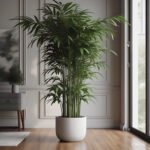
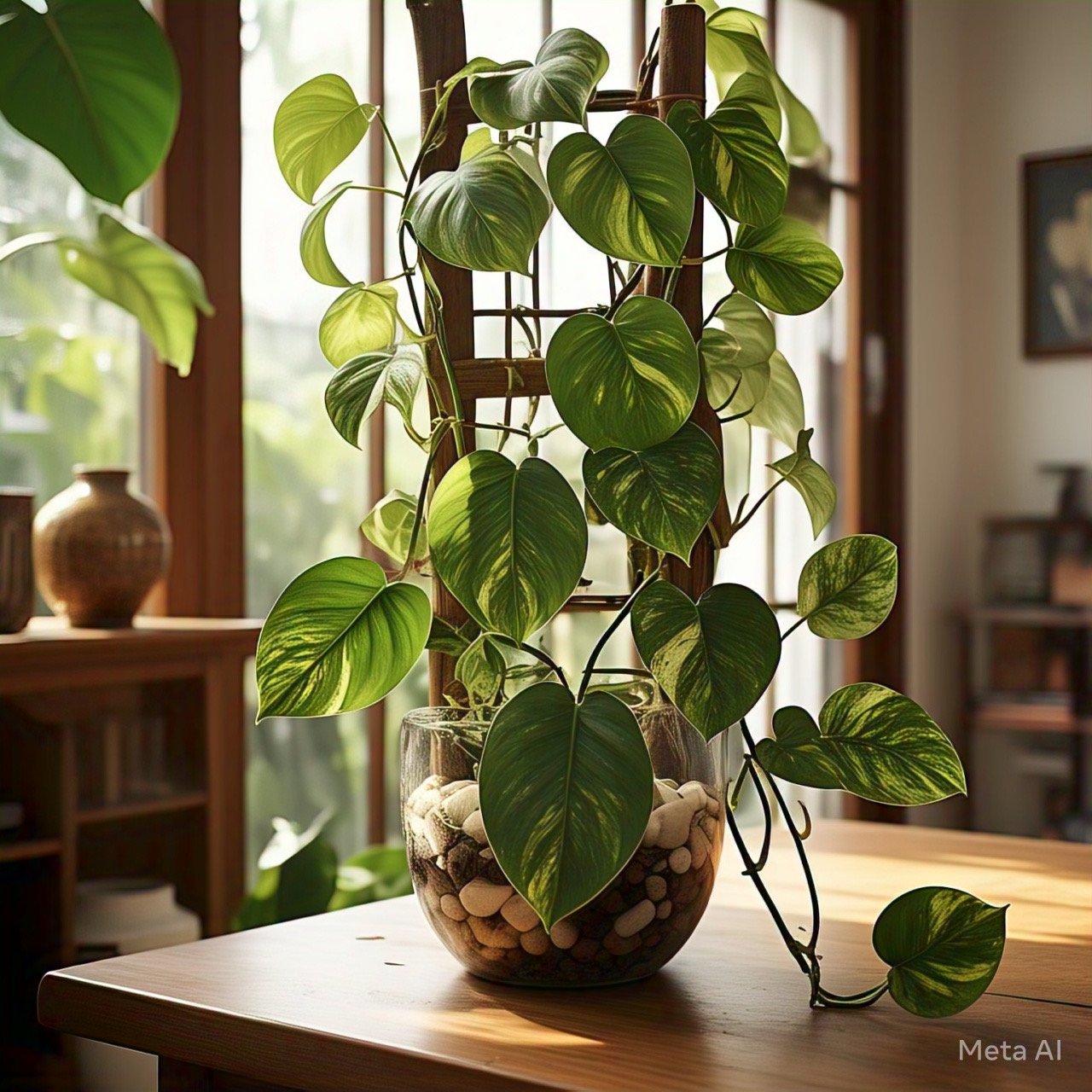
Pothos (Epipremnum aureum) Overview
Pothos, also known as Devil’s Ivy or Golden Pothos, is a popular and easy-to-care-for houseplant known for its trailing vines and heart-shaped leaves. This low-maintenance plant is often used in hanging baskets, shelves, or as a cascading indoor plant. Pothos can thrive in a wide variety of indoor conditions, making it a great choice for both novice and experienced plant parents.
Light Requirements
- Ideal Light: Pothos prefers bright, indirect light but can tolerate low-light conditions. In low light, the plant’s growth may slow down, and its leaves may lose their vibrant color, turning more green with fewer variegations. However, avoid placing the plant in direct sunlight, as it can scorch the leaves.
- Low Light Tolerance: It is one of the best plants for areas with low or indirect light, which makes it a perfect option for spaces like offices or rooms with limited sunlight.
- Placement Tip: A spot near an east-facing window, or a few feet away from a south or west-facing window, is ideal. It will thrive with indirect sunlight, such as near a sheer curtain.
Watering Requirements
- Watering Frequency: Pothos is quite drought-tolerant, so it’s best to allow the top 1-2 inches of soil to dry out between waterings. On average, it needs watering once every 7-10 days, but this can vary depending on the environment.
- Watering Tip: Make sure the pot has proper drainage, as Pothos doesn’t like to sit in water, which can lead to root rot. If you notice the leaves turning yellow or feeling soft, this could be a sign of overwatering.
- Watering Schedule: During the growing season (spring and summer), it may need more frequent watering, while in fall and winter, it will require less water due to slower growth.
Maintenance Level
- Low Maintenance: Pothos is an extremely low-maintenance plant, making it perfect for beginners or those with busy schedules. It’s a forgiving plant that can tolerate neglect in terms of watering and light conditions.
- Pruning: To maintain its shape and encourage fuller growth, prune the vines regularly, especially if they become too long or leggy. Pruning will also help prevent the plant from becoming too unruly or tangled.
- Leaf Care: Clean the leaves periodically with a damp cloth to remove dust. This will help the plant absorb more light and look healthier.
Temperature and Humidity Requirements
- Temperature Range: Pothos thrives in normal room temperatures ranging from 60°F to 85°F (16°C to 29°C). They should be kept away from drafts, air conditioners, and heaters, as extreme temperature fluctuations can stress the plant.
- Humidity Requirements: Pothos can tolerate average humidity levels but thrives in slightly higher humidity (around 40% to 60%). However, it’s not as demanding in terms of humidity as other tropical plants.
- Humidity Tip: If your home is very dry, especially in winter, consider placing the plant in a bathroom with natural light or using a humidifier to keep the humidity levels stable.
Soil Type and Potting
- Soil Type: Pothos prefers well-draining soil. A mix of potting soil with perlite or orchid bark is ideal to ensure the soil doesn’t retain too much moisture, preventing root rot.
- Potting Considerations: Choose a pot with drainage holes to allow excess water to escape. Pothos grows well in containers and hanging baskets, where the vines can trail down. Repot the plant every 1-2 years to refresh the soil and provide more room for root growth.
- Potting Tip: Avoid planting Pothos in pots that are too large, as they may retain excess moisture and cause the roots to rot.
Aesthetic/Style
- Appearance: Pothos is known for its vibrant, heart-shaped leaves that often come in shades of green, gold, or variegated patterns. The leaves are typically dark green with yellow, white, or pale green streaks, but the appearance can vary depending on the variety.
- Aesthetic Appeal: Its trailing nature makes it a beautiful addition to hanging baskets, shelves, and window sills. The cascading vines create a lush and stylish look, making it perfect for contemporary, minimalist, or boho-themed interiors.
- Growth Habit: Pothos can grow several feet long and is often used in trailing or cascading arrangements. If you’re using it as a hanging plant, you can allow the vines to grow downwards for a dramatic effect.
Air Purifying
Yes, Pothos is an excellent air purifier. According to NASA’s Clean Air Study, it is one of the top houseplants for removing indoor air pollutants like formaldehyde, benzene, xylene, and toluene. It helps to improve air quality by absorbing toxins and releasing oxygen, making it a great plant for improving your home or office environment.
Vastu or Feng Shui Compatibility
- Feng Shui: Pothos is considered an auspicious plant in Feng Shui. It’s believed to bring positive energy, wealth, and good fortune into the home. Its energy is harmonious and calming, and it’s often placed in the southeast corner of a room to attract prosperity and success.
- Vastu: In Vastu Shastra, Pothos is considered to be beneficial for the home. It is thought to promote growth and positivity. However, some recommend keeping it in the south-east direction to enhance financial prosperity.
Seasonal Considerations
- Spring and Summer: During the warmer months, Pothos will experience active growth and will likely need more frequent watering and occasional pruning to keep the vines under control. You can also move it to a spot with more sunlight, as the plant is in its growing season.
- Fall and Winter: Pothos will grow slower during the cooler months, so reduce watering frequency to prevent overwatering. The plant may also need less fertilizing during the winter season.
Special Considerations
- Toxicity: Pothos is toxic to pets (dogs, cats, and even small animals like rabbits) if ingested. It contains insoluble calcium oxalates that can cause oral irritation, drooling, and digestive issues. Keep the plant out of reach of pets, especially if they tend to chew on plants.
- Repropagation: Pothos is one of the easiest plants to propagate. Simply take a cutting of a healthy vine, place it in water, and wait for roots to grow. Once the roots develop, transfer it to soil for a new plant. You can also propagate directly in soil.
Fertilization and Nutrition Requirements
- Fertilization: Pothos is a low feeder, but during the growing season (spring and summer), you can feed it with a balanced, water-soluble fertilizer once a month to encourage healthy growth. In fall and winter, reduce fertilizing since the plant’s growth slows down.
- Nutrient Needs: Pothos does not have high nutrient demands, but providing a balanced fertilizer helps maintain vibrant leaf color and robust growth. Over-fertilizing can result in leggy growth and yellowing leaves.
Growth and Size
- Growth Rate: Pothos is a fast-growing plant, especially in ideal conditions. It can grow several feet in a year if regularly pruned and well cared for. It can also be allowed to grow as a vine or bushy plant.
- Size: Pothos can grow up to 10-12 feet long when its vines are allowed to trail. When grown indoors, it typically reaches around 3-6 feet in length, depending on space and conditions.
Common Problems and Troubleshooting
- Yellowing Leaves: This could be due to overwatering, insufficient light, or nutrient deficiencies. Ensure the plant has proper drainage and is not sitting in water. It might also need more light if grown in a dimly lit spot.
- Leggy Growth: If your Pothos becomes sparse or leggy (with long spaces between leaves), it’s often a sign of insufficient light. Move the plant to a brighter spot.
- Brown Leaf Tips: This could be caused by inconsistent watering, dry air, or a buildup of salts from fertilizers. Trim off the brown tips and adjust care accordingly.
- Leaf Drop: If the leaves are falling off, it may be due to changes in temperature, overwatering, or underwatering. Ensure that the plant is not exposed to drafts, and maintain consistent care.
- Pests: While Pothos is relatively pest-resistant, it can occasionally attract spider mites, aphids, or mealybugs. Regularly inspect the plant and treat any infestations with insecticidal soap or neem oil.
Plant Compatibility
- Ideal Companions: Pothos pairs well with other easy-care plants that have similar needs, such as:
- Snake Plants (Sansevieria): They both tolerate low light and require minimal maintenance.
- ZZ Plant (Zamioculcas zamiifolia): Another low-maintenance, low-light plant that complements Pothos’ aesthetic.
- Spider Plant (Chlorophytum comosum): Both plants can grow well in similar conditions and have a cascading growth habit.
Pet-Friendly Status
No, Pothos (Epipremnum aureum) is not pet-friendly. It is toxic to pets, including dogs, cats, and small animals like rabbits. The plant contains calcium oxalates, which can cause oral irritation, drooling, difficulty swallowing, and gastrointestinal issues if ingested. Chewing on the leaves or vines can lead to discomfort, vomiting, or even more severe symptoms depending on the amount consumed.
If you have pets that like to chew on plants, it’s important to keep Pothos out of their reach. To be safe, place it in hanging baskets, on high shelves, or in areas that are difficult for pets to access.
If you suspect your pet has ingested part of a Pothos plant, it’s best to contact your veterinarian immediately for advice.
Conclusion
Pothos (Epipremnum aureum) is a versatile, attractive, and low-maintenance plant that can adapt to various lighting and environmental conditions. Its trailing vines and heart-shaped leaves add charm to any space, making it a popular choice for home decor. As a bonus, it is also an air-purifying plant that improves the indoor air quality. Whether you’re a beginner or an experienced plant parent, Pothos is a perfect addition to your collection.
Make sure to keep it in bright, indirect light, water it when the top of the soil is dry, and prune it regularly for a fuller, healthier plant. And, of course, be mindful of its toxicity to pets and keep it out of their reach. With minimal effort, your Pothos can thrive, adding beauty and positive energy to your home.